
How to Get Faster at Logic Games: Tips for Boosting Your Speed
Logic games are often used in several competitive exams. They're often used in LSAT, SAT, and GRE. On top of this, they can also be very challenging and rewarding. While you need to be able to solve them accurately, being able to solve them fast is another big bonus. Whether you are looking to improve your performance on exams or whether you simply want to take the time to get better at speed in logic games, this guide will help you to get faster. Take a look below for 8 core strategies that will help you to get better, at doing the things you love.
Mastering Basic Strategies
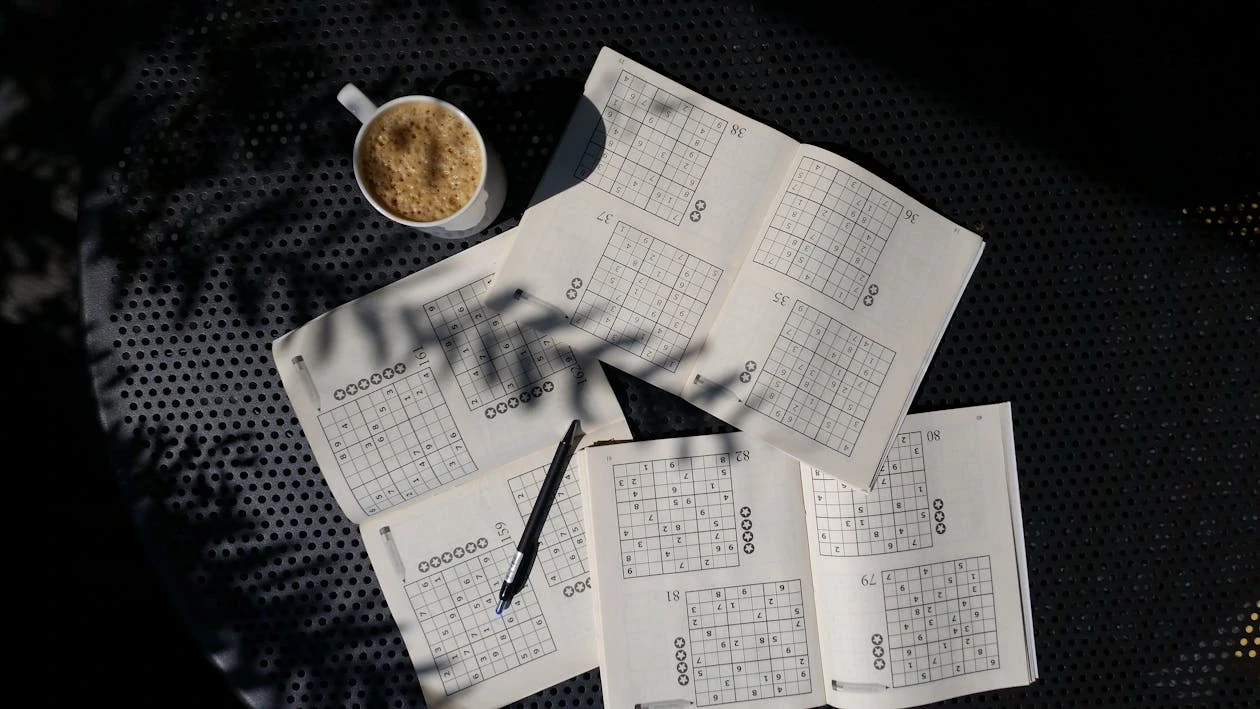
When it comes to improving your speed, you have to make sure that you have a solid foundation. Mastering basic strategies is so important, and you also need to have a systematic approach. This will allow you to solve puzzles without overwhelming yourself. Logic games come in all different types too, including matching games, grouping games, or puzzles. Every game will have a specific structure and it will require a different approach. If you play sequencing games then this may involve you putting items in a specific order, based on several clues. If you play grouping games then you may need to sort games into different categories. If you want to get better at speed then it is a good idea for you to learn the small nuances of the puzzles you play. Take the time to familiarise yourself with the setup and identify the objective quickly. If you can do this then you will begin to see certain patterns emerge, which will allow you to solve puzzles way faster.
It is also a good idea for you to have a clear approach. Having a structured and repeatable method when solving puzzles will help you a lot. Identify given clues and rules, so you can go from there. Draw a grid or even a diagram too, as this will help you to visually organize the information that is in front of you. You can then stop yourself from getting lost in the puzzle, which will help.
Being methodical when following rules is also so important. Take your time when analyzing the rules, and avoid overthinking where you can. Write down all of the conditions in a short and clear form so you can avoid skipping over things. Understanding how the rules interact with each other is key, as this will help you to make quick interferences, as well as deductions. When you have a good understanding of the game, you can then proceed in a good fashion. Remember that the more you practice, the faster and more confident you will get, which will help you when the time comes for you to approach complex puzzles.
Practicing Regularly
As the old saying goes, practice makes perfect. The importance of practice can never be overstated. Like learning to play a sport or even an instrument, consistent practice is key if you want to become proficient and eventually speed up your performance. You also need to create a good training regimen, whether you want to spend time solving 3 puzzles every day, or whether you would rather spend 30 minutes a day working on various puzzles. If you can, remember that the more you practice, the more logical you will become when the time comes for you to solve puzzles. You also need to keep track of how long it takes you to solve each puzzle. The goal should be for you to try and complete all puzzles in a reasonable time frame. You should also make sure that you're not worrying too much about speed, and that instead, you are taking the time to focus on the puzzles and the rules too. As you progress, you will find that you can reduce your time, so keep that in mind.
When you are comfortable with simple puzzles, and you know that you can do them well, you can then build your way up to more complex puzzles. This allows you to gradually push your limits, so you can make sure that your problem-solving puzzles are growing over time. Little things like this can work in your favor, and you would be surprised at how helpful they can be if you feel as though you need to work on your timing.
Learning Time-Saving Techniques
Once you have a solid foundation to work from, it is then easier for you to spend some time focusing on the time-saving techniques that could allow you to solve more complex puzzles down the line. This can also stop you from making errors too. Using the process of elimination will help you a lot here. Cross off the ones that are not correct or wrong. This will then narrow down your focus and give you fewer options to consider overall. Work on the easier stuff, too, and take the time to eliminate a lot of impossible answers early on in the process. If you can do this, then you can stop yourself from getting bogged down.
Use approaches or shortcuts, too, as this can sometimes allow you to solve puzzles faster. If you are grouping puzzles together or if you are using elimination grids, then this is great as you can see which elements cannot be grouped, for example. If you are playing sequencing puzzles, then you can keep track of clues, and you can update the grid as you go along. You also need to avoid thinking too much and overthinking about your decisions. When you conclude a deduction, then be sure to trust and move forward with your answer. If you can revisit your decision, then this can also save you a lot of valuable time, so keep that in mind.
Enhancing Pattern Recognition
Any steps you can take to enhance your pattern recognition will help you out. The more familiar you are with the different puzzle types that are out there, the easier it will be for you to spot patterns and make sure that you can make good decisions. One of the best things you can do is review past puzzles so you can expand your pattern recognition even more. Study puzzles you might have solved in the past and take the time to review how each puzzle unfolded too. Find out which puzzles worked and how you happened to connect the clues. As you practice more and more, you can then take note of the recurring theme and structure of everything. When you see that similar patterns appear later down the line, you can then recognize them even more. You can use this as a way to save time and apply your learning strategies.
Practicing with time constraints will help you to recognize puzzles under pressure too. If you can mimic the conditions of an exam or if you can time yourself then this will allow you to pick up on nuances that will serve you well later down the line. Another thing you can do is use problem-solving tools, which you can find out more about below.

Using Puzzle-Solving Tools
There are several tools, both physical and digital that you can use to try and solve logic puzzles faster. These tools are great if you want to highlight key elements and track your progress. It also reduces the time you spend on each puzzle, which is important to keep in mind. Creating grids and diagrams will help you too, and it is one of the best ways for you to solve logic games. There are also puzzle-solving apps you can use as well. The great thing about these is that they can help you to solve the problems you may face when working with puzzles, without having to worry about them. You can also get puzzle-solving apps. The great thing about these is that they can help you to refine your techniques while getting real-time feedback. Many platforms like this allow you to work at your own pace and you can also identify areas for growth in the future. When solving puzzles on paper, you need to make sure that you are using a pencil. This allows you to make quick corrections and it also allows you to identify areas for growth. You can erase mistakes and you can also continue to solve the puzzle effectively, ensuring that your time isn't spent making continuous revisions.
Managing Stress and Pressure
Logic games often come with strict time constraints. The pressure to perform can put you under a good amount of stress, which can affect your ability to think properly. Learning to manage stress is so important if you want to get faster at games like this. You also need to practice relaxing, too. You need to remain calm, and you also need to carry out some deep breathing exercises if you can. This will allow you to perform better under test conditions. Make a timer and force yourself to work within the limits you have. If you can do this, then you will conclude as to how you can balance your speed and accuracy. You may also find it easier to become more comfortable working with the time constraints you have. Make sure that you stay positive and that you do not let the stress get to you too much, because if you do, then you will struggle even more when you just don't need to.

Analyzing Your Mistakes
Speed isn't about solving puzzles properly, You also need to make sure that you are solving them well. Accuracy is everything, so taking the time to go back is so important if you want to make sure that you aren't making any mistakes. If you misinterpreted a rule, then you need to learn from this, and you also need to make sure that you don't overlook anything. If you can follow this approach, then you will find it easier to move forward. Remember also that mistakes are learned opportunities, and if you can use them as a way to get better then the mistake happening was a good thing that is contributing towards your efforts to become a better player.
Setting Time Goals and Tracking Progress
Setting specific time goals and tracking your progress is so important. It is also a fantastic way for you to stay motivated and for you to improve your speed overall. Start by setting some realistic goals for yourself and make sure that you are aiming to finish puzzles in shorter times so you can see if you are improving. You can also avoid the frustration and general annoyance that comes with trying to deal with unrealistic expectations if you do this as well. You should also keep a detailed record of how much time you would like to spend on each puzzle you do, as well as the number of mistakes you make. Track your progress and see where you need to improve, and if there are any strategies that you have, that are working.
As you hit the time targets you have set for yourself, and as you work more efficiently, you can then celebrate your progress. Take the time to acknowledge the hard work you are putting in and keep up with the positive reinforcement. This will help you to stay motivated and it will also help to keep you moving forward with your speed as a whole. Of course, improving your speed with logic games requires you to practice too, so as long as your accuracy rate is being maintained you shouldn't have much of an issue. Remember that speed doesn't come overnight and that only by putting in consistent effort, can you begin to see a noticeable improvement in your strategy and your performance. Little things can go a long way too, so don't forget to explore tools that may help you in your journey to become better at playing games like this.
Sudoku Levels


Seasonal Sudoku Games


More Games



Sudoku News
Disclaimer
DISCLAIMER: The games on this website are using PLAY (fake) money. No payouts will be awarded, there are no "winnings", as all games represented by 247 Games LLC are free to play. Play strictly for fun.